
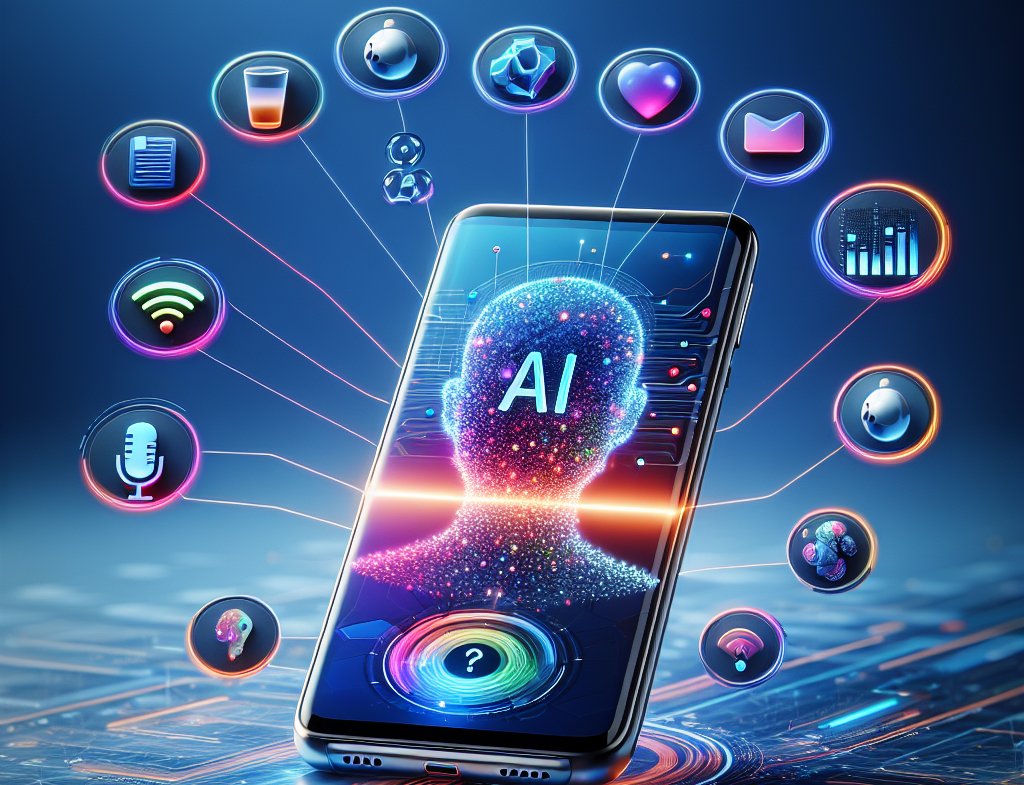
Modern smartphones feature many built-in AI functions that can help people with writing, taking photos, and organizing their belongings. However, it is important to use these tools purposefully. Voice commands and speech-to-text functions are two examples of AI features that make computers more user-friendly for people with disabilities. Additionally, T-Mobile’s anti-fraud service can block spam calls and warn you of potential scams.
1. Facial Recognition
Facial recognition is a biometric technology that verifies identity by recognizing faces. It is an alternative to PIN codes and passwords and offers secure remote verification without physical contact. Facial recognition software is fast and recognizes a face in just one second.
Many mobile apps use facial recognition technology to unlock your device. Stores use facial recognition to identify customers, and the police use it to track down criminals. MAC Cosmetics has even installed augmented reality mirrors in its stores, allowing customers to try out makeup using this technology.
2. Predictive Text
Somehow, your phone or computer always seems to accurately predict what you are going to type. This “magical” feature stems from a complex combination of technology and psychology, including predictive text systems and vast amounts of data.
Predictive text software uses machine learning models to analyze word usage and meaning, thereby deducing your typing habits. It then uses this information to predict your next action in real time and provides suggestions after every keystroke. Over time, more information about your personal language habits is added to the predictive text software, continuously improving accuracy.
3. Smarter Photo Management
Day and night, our phones always seem to find a way to violate our privacy. You can make your phone smarter by telling it when not to bother you too often.
Smart Photos is a smart AI photo manager, media library, and visual notebook that is fast, private, and beautifully designed. Try it for free now and discover why it is so appealing.
4. Smarter Conversations
Apple’s AI ecosystem prioritizes privacy and ease of use across all devices. Siri is integrated with Google Play, allowing you to recognize speech and process text directly on your device. This saves battery and speeds up the process. iCloud Photo Library connects all your photos, providing a unified experience across all your devices.
Galaxy AI offers all the tools you need so you can take hands-free selfies and quickly translate text messages with a real-time translation app. It also offers call filtering, a magic editor, and other features to help you stay organized, reduce the risk of fraud, and ensure your smartphone always performs optimally.
7. Smarter Battery
“Smart Battery” is an app that allows users to calibrate, monitor, and optimize their battery, extending battery life and improving performance. The app displays detailed battery information, such as design capacity, maximum charge capacity, charging voltage, and more.
Traditional power-saving modes work with fixed logic; When your device reaches a certain battery percentage, it slows down, and background activities are limited. However, this app uses TIDSIT, an AI model designed to process real-world battery data. The algorithm does not set fixed time intervals or compare results, because battery degradation does not occur in a predictable manner. Instead, it analyzes the combination of battery signals.
8. Better Cleaning Methods
Many people view smartphones as simple devices for chatting and calling (without emojis!). However, modern technology and artificial intelligence have made these phones much more than that.
Now you only need a smartphone to find your car, track your fitness goals, and even plan your dinner. These are, of course, just three ways artificial intelligence in smartphones makes our lives easier. Here are five more ways this technology can improve our lives. Most phones nowadays have built-in AI. Check out these simple, fun, and safe tips to get the most out of your smartphone.
9. Improved Security Measures
Artificial intelligence can help people with many tedious tasks, such as entering phone calls, verifying the accuracy of documents, evaluating content, answering simple questions like “Where am I?” and detecting spam. This allows people to focus on more complex and demanding tasks. However, applying AI to smartphones also entails risks. For instance, smartphone users are increasingly concerned about their privacy; a recent study found that 30% of users fear that AI makes decisions without their consent. Brands must therefore carefully consider how AI is used and ensure that their target audience can trust it.