
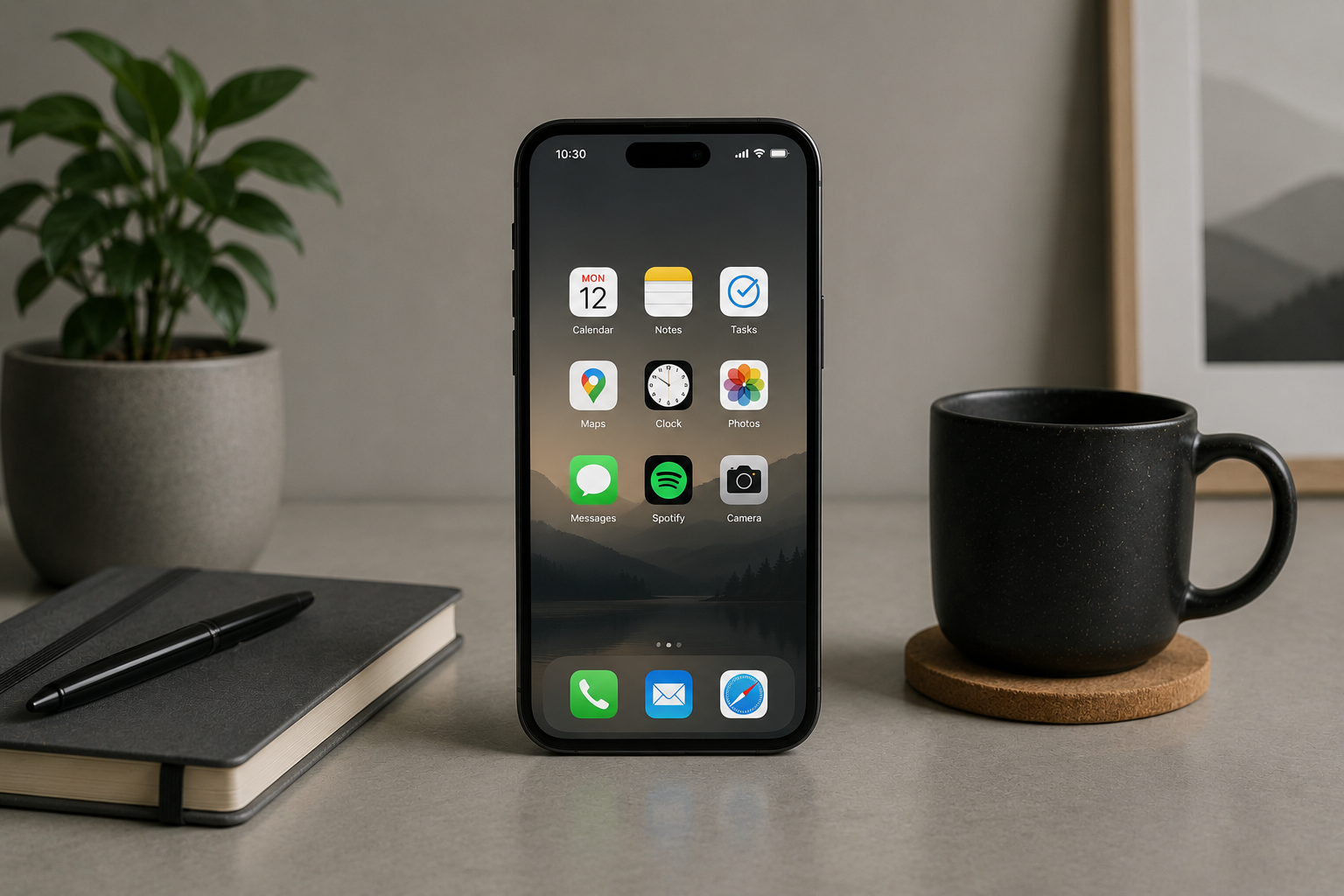
In today’s fast-paced digital world, it’s easy to feel overwhelmed by the number of apps we use every day. From social media platforms to productivity tools, note-taking apps, messaging services, cloud storage, and countless utilities, our devices often become cluttered with more software than we actually need. This overload can slow us down, distract us, and even make simple tasks feel complicated. That’s where building a minimal app stack comes in.
A minimal app stack is not about deleting everything from your phone or computer. Instead, it’s about carefully choosing a small set of essential apps that truly support your daily life and removing anything unnecessary. The goal is to simplify your digital environment so you can focus more, stress less, and get things done more efficiently. In this article, we will explore how to build a minimal app stack step by step, why it matters, and how it can transform your digital habits for the better.
Understanding the Concept of a Minimal App Stack
A minimal app stack is essentially a curated collection of digital tools that cover all your important needs without duplication or clutter. Instead of using five different apps that do similar things, you choose one strong app that handles the job well.
For example, instead of using multiple note-taking apps for different purposes, you select one reliable platform that can handle everything from quick notes to long-form writing. The same applies to email, task management, file storage, communication, and entertainment.
The idea is inspired by minimalism, a lifestyle approach that focuses on simplicity and intentional living. When applied to digital tools, it helps you reduce distractions and regain control over your attention. A minimal app stack doesn’t limit you; it frees you from unnecessary complexity.
Why a Minimal App Stack Improves Your Digital Life
Most people don’t realize how much mental energy is lost switching between apps throughout the day. Each app comes with its own notifications, layout, features, and learning curve. Over time, this creates digital fatigue.
By reducing your app stack, you simplify decision-making. Instead of wondering which app to use for a task, you already know your go-to tool. This reduces friction and helps you stay focused.
Another major benefit is improved productivity. When your tools are streamlined, your workflow becomes smoother. You spend less time organizing apps and more time actually completing tasks. It also improves device performance because fewer background processes are running.
Beyond productivity, there is also a mental benefit. A clean digital environment often leads to a calmer mind. Just like a clean room feels relaxing, a clean phone or laptop reduces stress and improves clarity.
Step One: Identifying Your Core Digital Needs
Before you start deleting apps or choosing replacements, it’s important to understand your real digital needs. Everyone uses technology differently, so there is no universal app stack that works for everyone.
Start by thinking about your daily routine. Most people fall into a few basic categories of digital needs such as communication, work or study, note-taking, entertainment, file storage, and browsing.
You don’t need to overcomplicate this step. The goal is simply to recognize what you actually use your devices for. Many people discover that they only rely heavily on a few core functions, even though they have dozens of apps installed.
Once you understand your needs clearly, it becomes easier to build a system that supports your lifestyle instead of distracting from it.
Step Two: Removing App Clutter and Duplicates
After identifying your needs, the next step is removing unnecessary apps. This is often the most eye-opening part of the process. You will likely find apps that you haven’t opened in months or even years.
It’s also common to have multiple apps that perform the same function. For example, you might have several browsers, multiple note apps, or different messaging platforms that serve similar purposes.
The key is not to rush. Instead of deleting everything at once, gradually remove apps that clearly do not add value to your daily life. Focus on keeping only one or two strong apps per category.
This step alone can significantly improve your digital experience. With fewer apps competing for attention, your device feels faster, cleaner, and more organized.
Step Three: Choosing Your Core Productivity Apps
Once you have reduced clutter, it’s time to build your core app stack. These are the essential tools you will rely on every day.
Your productivity setup usually includes apps for writing, task management, communication, and file storage. The goal is to choose tools that are simple, reliable, and capable of handling multiple tasks without unnecessary complexity.
For example, instead of using separate apps for reminders, to-do lists, and project tracking, you might choose a single tool that can manage all of them in one place. Similarly, for writing and note-taking, you should choose an app that allows quick capture as well as long-term organization.
The most important thing is consistency. Once you choose your core apps, try to stick with them instead of constantly switching. This stability helps you build habits and improves long-term productivity.
Step Four: Simplifying Communication Tools
Communication apps are often the biggest source of digital clutter. Most people use multiple messaging platforms, email clients, and social apps that overlap in function.
To build a minimal app stack, it’s important to consolidate where possible. Choose one primary email app and one or two messaging platforms that cover most of your communication needs.
You don’t need to be present on every platform at all times. Instead, focus on the ones that truly matter for work, family, and close friends. Reducing communication channels can significantly reduce distractions and improve focus throughout your day.
It also helps you respond more intentionally instead of constantly reacting to notifications from different apps.
Step Five: Streamlining Entertainment and Media Apps
Entertainment apps are another major source of digital overload. Streaming services, social media platforms, news apps, and gaming apps can easily consume a large portion of your time.
A minimal app stack doesn’t mean eliminating entertainment entirely. It simply means being intentional about it. Choose a small number of platforms that genuinely bring you value or relaxation.
For example, instead of using multiple video or music apps, you might stick to one or two that meet your needs. The same applies to social media. You don’t need to be active everywhere; you only need to be where it matters most to you.
By limiting entertainment apps, you naturally regain more time for meaningful activities and reduce mindless scrolling.
Step Six: Optimizing File Storage and Cloud Usage
File storage is often overlooked when building an app stack, but it plays a crucial role in digital organization. Many people end up using multiple cloud storage services without realizing it.
A minimal approach is to choose one primary cloud storage solution and use it consistently for all important files. This makes it easier to find documents, share files, and maintain backups.
Keeping everything in one place reduces confusion and eliminates the need to search across multiple platforms. It also improves security and organization, since your files are centralized rather than scattered.
Step Seven: Creating a Smooth Workflow Between Apps
A minimal app stack is not just about reducing apps; it’s also about making the remaining apps work together smoothly. Your digital tools should feel connected rather than isolated.
For example, your note-taking app should integrate well with your task manager. Your cloud storage should connect easily with your documents. Your communication tools should support quick sharing of files and ideas.
When your apps work together efficiently, your workflow becomes more natural and less fragmented. You spend less time switching between tools and more time focusing on actual work.
Step Eight: Avoiding the Trap of App Over-Optimization
One common mistake people make when trying to simplify their digital life is constantly changing apps. This leads to what can be called “app over-optimization,” where you spend more time searching for the perfect tool than actually using one.
A minimal app stack is not about perfection. It’s about stability and simplicity. Once you find tools that meet your needs, it’s better to stick with them for a while rather than continuously experimenting.
Consistency is what creates real productivity improvements. The goal is not to have the most advanced system, but the most usable one.
Step Nine: Maintaining Your Minimal App Stack Over Time
Building a minimal app stack is not a one-time task. Over time, new apps will appear, needs will change, and old habits may return. That’s why maintenance is important.
Every few months, it’s helpful to review your apps and ask yourself whether they are still useful. If an app is no longer adding value, it may be time to remove it.
This regular check-in keeps your digital environment clean and prevents clutter from building up again. It also ensures that your app stack continues to match your lifestyle as it evolves.
Conclusion
Building a minimal app stack is one of the most effective ways to simplify your digital life. By carefully choosing essential tools and removing unnecessary ones, you create a cleaner, faster, and more focused digital environment.
A minimal app stack reduces distractions, improves productivity, and helps you regain control over your time and attention. It encourages intentional use of technology instead of reactive usage driven by notifications and clutter.
The process is not about using fewer apps for the sake of minimalism alone. It’s about building a system that genuinely supports your goals and daily routine. With the right approach, your devices can become powerful tools that serve you, rather than overwhelm you.
By simplifying your digital world, you also simplify your thinking. And in a world full of noise, that simplicity becomes a powerful advantage.
FAQs
1. What is a minimal app stack and why is it important?
A minimal app stack is a carefully selected set of essential apps that cover your daily digital needs without unnecessary clutter. It is important because it reduces distractions, improves productivity, and helps create a more organized and focused digital lifestyle.
2. How many apps should be in a minimal app stack?
There is no fixed number, but the idea is to keep only the apps you truly need. Most people can function effectively with a small set of apps for communication, productivity, storage, and entertainment, without relying on multiple tools for the same purpose.
3. Can I still use social media in a minimal app stack?
Yes, social media can be part of a minimal app stack if used intentionally. The key is to limit it to platforms that add real value to your life and avoid unnecessary or repetitive usage across multiple apps.
4. Is building a minimal app stack difficult for beginners?
Not at all. It actually becomes easier once you start identifying your real needs. Beginners can start by removing unused apps and gradually replacing multiple tools with single, reliable alternatives.
5. How often should I update my app stack?
It is a good idea to review your app stack every few months. This helps you remove unnecessary apps, adjust to new needs, and ensure your digital tools continue to support your lifestyle effectively.