It only takes one rushed click to create a serious security problem.
Most people do not intentionally download unsafe software. It usually happens during something simple: searching for a PDF tool, looking for a video converter, installing a browser utility, or trying to get a free version of a paid app. The website looks professional, the download button is large, and the promise sounds useful enough to trust quickly.
That is precisely how risky software gets installed.
Many unsafe downloads do not look dangerous at first. They may appear as fake updates, bundled installers, “free optimization tools,” cracked software, or cloned versions of legitimate apps. Some install adware. Some collect personal data quietly. Others create much bigger problems like credential theft, browser hijacking, or ransomware.
The most dangerous part is how normal the process feels.
Almost downloading unsafe software is often the moment people realize how easy it would have been to make a costly mistake. That moment changes how we make software decisions afterward.
This guide explains the practical changes that help avoid unsafe downloads, protect personal devices, and reduce the risks that come from rushed installations and unverified software sources.
Why Unsafe Software Downloads Happen So Easily
Most unsafe downloads do not arrive through obvious scams. They arrive through convenience.
Someone needs a tool quickly, searches online, and clicks the first result that looks useful. That speed removes the normal pause people would use for more important decisions.
Common situations include:
- Downloading a document converter
- Installing a free screen recorder
- Looking for a driver update
- Searching for antivirus software
- Trying to recover deleted files
- Installing browser extensions
- Downloading “system cleaner” tools
These are normal tasks, which makes the risk easier to miss.
Attackers know people trust familiar-looking websites, urgent problem-solving, and “free” solutions. They design download pages around that behavior.
Security problems often begin with convenience disguised as efficiency.
I Stopped Downloading Software From Search Results Alone
The first change was simple: I stopped trusting the first search result.
Why Search Results Can Be Misleading
Search results may include:
- Ads that look like normal results
- Third-party download sites
- Cloned websites with similar branding
- Pages designed only to redirect downloads
- Fake update pages
A professional design does not prove legitimacy.
Some unsafe sites look cleaner than the real developer website.
What I Do Instead
Before downloading anything, I look for:
- The official developer website
- Verified app store listings when available
- Trusted publisher information
- Clear version history and product details
If I cannot confidently identify the official source, I wait.
Software should never be downloaded based only on appearance.
Simple Example
Searching for “PDF editor download” and clicking the first big button is risky.
Finding the actual developer first is safer—even if it takes longer.
I Became More Suspicious of “Free” Tools
Free software is not automatically unsafe, but “free” often hides the real cost.
Common Risk Areas
These include:
- Free video converters
- PC cleaning tools
- Driver update programs
- File recovery tools
- Fake antivirus downloads
- Cracked paid software
- Browser optimization utilities
Some of these tools create more problems than they solve.
Questions I Ask First
Before downloading, I check:
- Why is this software free?
- Is the developer known and trusted?
- Is the tool solving a real problem or creating a fake one?
- Does the device already have a built-in safer option?
Many unnecessary downloads happen because users solve problems that do not actually exist.
Example
A laptop does not usually need five “system speed boosters.”
Often, removing one bad cleaner improves performance more than installing another one.
I Pay Attention to Installation Screens Instead of Clicking Fast
Many security problems happen after the download, during installation.
Why Installers Can Be Risky
Some installers include the following:
- Extra unwanted software
- Browser homepage changes
- Hidden toolbars
- Permission changes
- Background services
- Default “recommended” add-ons
Users often install these accidentally by clicking “Next” too quickly.
What I Changed
Now I always:
- Choose custom installation when available
- Read permission requests carefully
- Uncheck optional bundled software
- Avoid unnecessary browser extensions
- Stop installation if something feels unrelated
Fast installation often creates slow recovery later.
Warning Sign
If a simple PDF tool wants browser access, startup control, and background services, something is wrong.
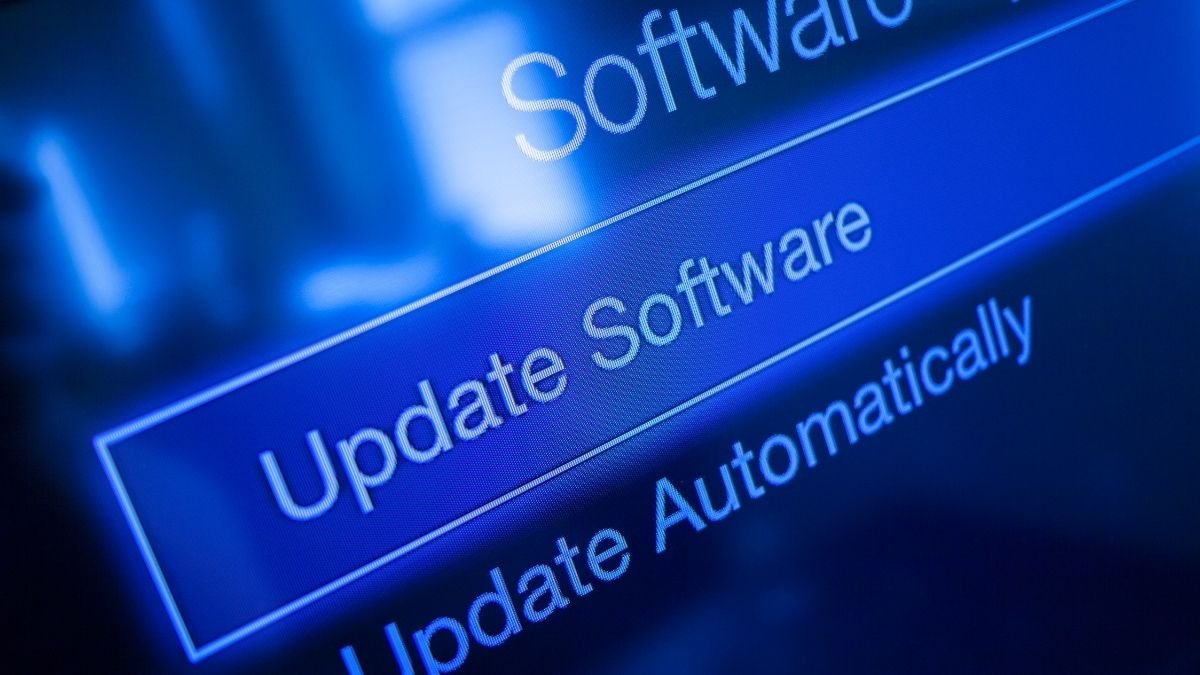
I Verify Software Updates Directly From the Real Source
Fake update alerts are one of the easiest traps.
Common Fake Update Examples
These include:
- Browser update pop-ups
- Flash player update requests
- Security warning downloads
- Driver update alerts
- Media player “required updates.”
Many of these appear while browsing unrelated websites.
My New Rule
I never install updates from random pop-ups.
Instead, I:
- Open the real application directly
- Use the official update tool inside the app
- Visit the official developer website manually
Browsers and operating systems already have trusted update systems.
Random website pop-ups should not control them.
I Reduced Browser Extensions to Only What I Truly Use
Browser extensions feel small, but they can have large access.
Why Extensions Deserve More Caution
Some extensions can access:
- Every website you visit
- Login sessions
- Saved forms
- Payment details
- Clipboard content
- Browsing history
That is far more access than many users realize.
What I Changed
I removed:
- Old extensions I forgot about
- Duplicate productivity tools
- Unknown coupon extensions
- Random download helpers
- Extensions installed “just to test.”
Now I keep only the essential tools I actively use.
Less browser access means fewer hidden risks.
I Started Using Built-In Security Warnings Instead of Ignoring Them
Browsers and operating systems often warn users before unsafe downloads.
Many people click past those warnings too quickly.
Useful Security Warnings Include
- “This file may be harmful.”
- “Publisher cannot be verified.”
- SmartScreen warnings
- Browser unsafe download alerts
- App permission concerns
These warnings should not be treated as an inconvenience.
They exist because similar downloads have caused real problems.
My Rule
If a warning appears, I stop and verify.
I do not treat warnings as obstacles to get around.
I treat them as a reason to slow down.
I Keep Backups Ready Before Testing New Software
Even safe-looking software can create unexpected issues.
Why Backups Matter Here
Problems may include:
- Corrupted files
- Browser hijacking
- Broken system settings
- Account sign-out issues
- Unwanted software conflicts
Backups reduce panic when mistakes happen.
My Practical Setup
I make sure I have:
- Cloud backup for important documents
- External backup for critical files
- Password manager recovery access
- Browser sync awareness
Security is not only prevention. It is recovery planning, too.
Common Mistakes That Lead to Unsafe Downloads
Most unsafe software problems begin with normal habits.
Downloading While in a Hurry
Urgency removes caution.
People trying to quickly fix a printer problem or convert a file often trust the wrong source first.
Rushed downloads create expensive repairs.
Trusting Big Download Buttons
Large download buttons are often part of the trap.
Some pages show multiple fake buttons designed to confuse users.
The most visible option is not always the safest one.
Using Cracked Software
Pirated software creates major security risks because trust is already broken.
There is no reliable way to verify what was added or changed.
Free access can become very expensive later.
Ignoring Small Warning Signs
Misspelled domains, strange installer behavior, excessive permissions, and security warnings often appear before real damage happens.
Most users notice them but continue anyway.
That is usually where the mistake begins.
Expert Recommendations for Safer Software Habits
Security improves when software decisions become slower and more intentional.
Keep Installed Software Minimal
Every app adds maintenance, updates, and risk.
If software is rarely used, it may not belong on the device.
Fewer programs often mean better performance and stronger security.
Learn What Your Device Already Includes
Many people download third-party tools for tasks already handled by:
- Built-in antivirus
- Native PDF readers
- Default backup systems
- Operating system cleanup tools
- Browser security protections
Understanding built-in tools reduces unnecessary downloads.
Review Installed Programs Every Few Months
Check for:
- Unknown software
- Old trial programs
- Duplicate utilities
- Background startup apps
- Unused browser tools
Regular cleanup improves both speed and safety.
Protect Your Email and Password Manager First
If unsafe software steals login access, email and password manager accounts become the highest-risk targets.
These should always have:
- Unique passwords
- Two-factor authentication
- Recovery options are reviewed regularly
Account security matters as much as download safety.
Safe Software Download Checklist
Before installing anything, check:
- Am I downloading from the official source?
- Is this software solving a real need?
- Does my device already have a built-in safety feature?
- Is the developer trusted and known?
- Are there unusual permission requests?
- Am I avoiding bundled extra software?
- Did security warnings appear?
- Do I have recent backups ready?
If the process feels rushed, pause.
Safe software decisions should not feel rushed.
FAQs
Is downloading from a popular search result safe?
Not always. Search results may include ads, third-party download sites, and cloned websites. It is safer to find the official developer website directly rather than trusting the ranking position alone.
Are free PC cleaning tools usually necessary?
Often, no. Many so-called system cleaners create unnecessary alerts or install unwanted software. Most modern operating systems already include built-in maintenance tools.
Why are browser extensions considered risky?
Extensions can access sensitive browsing activity, saved forms, login sessions, and payment details. Too many unnecessary extensions increase privacy and security risks.
Is cracked software always dangerous?
It carries major risk because the software has been modified outside trusted channels. Malware, spyware, and hidden background processes are common concerns.
What should I do if I already installed suspicious software?
Disconnect from sensitive accounts if needed, uninstall the software, run a trusted security scan, review browser extensions, check saved passwords, and change important passwords if account exposure is possible.
Conclusion
Almost downloading unsafe software is often the moment people realize how much trust they place in quick online decisions.
Most risky downloads do not look dangerous. They look useful, urgent, and convenient. That is why prevention depends less on technical knowledge and more on slowing down before installing anything.
Choosing official sources, questioning free tools, reading installation screens carefully, avoiding fake updates, reducing unnecessary browser extensions, and respecting security warnings create stronger long-term protection.
The goal is not to avoid software completely. It is to make software decisions with enough caution that convenience does not become vulnerability.
Because one careless download can create weeks of cleanup—but one careful pause can prevent it entirely.